
Why Every Business in Turks & Caicos Needs a Professional Website in 2026
- Planet Reach Media
- Mar 5
- 7 min read
Updated: Apr 15
Today, your website is no longer just a digital brochure — it is the central hub of your entire marketing ecosystem. For businesses in Turks and Caicos, where tourism, hospitality, real estate, marine services, and luxury experiences dominate the economy, having a professional website is more critical than ever. Visitors increasingly research businesses online before arriving, and local residents rely on Google to find trusted services. Whether you are a restaurant, charter company, real estate agency, contractor, or boutique retailer, your website is often the first interaction a potential customer has with your brand.
Industries in TCI That Need a Website Most
Every business in Turks and Caicos operates in a highly competitive, tourism-driven economy. Here's why specific sectors cannot afford to be without a professional online presence:
Restaurants & Food Businesses — Travelers research dining options weeks before arriving. Without a website showing your menu, location, and atmosphere, you're invisible to pre-arrival planners.
Charter & Water Sports Companies — "Boat charter Turks and Caicos" is one of the most searched phrases by incoming tourists. Without a website with online booking, you lose those bookings to competitors.
Real Estate Agencies — International property investors research TCI real estate from North America and Europe. A professional site with listings, market insights, and contact forms is non-negotiable.
Villas & Vacation Rentals — Travelers compare multiple properties online before booking. High-quality photography, booking capability, and reviews on your own site increase direct bookings.
Water Sports Operators — Snorkeling tours, diving, paddleboarding, and kiteboarding experiences are booked online. Visibility on Google is directly tied to revenue.

Why Having a Website Is Essential
“If your business is not on the internet, then your business will be out of business.”— Bill Gates
Consumer behavior has shifted almost entirely online. According to recent research:
81% of shoppers research a business online before making a purchase
75% of users judge a company's credibility based on its website
88% of users will not return after a poor website experience
Travelers often research their entire trip online before they arrive. If someone searches "boat charter Turks and Caicos," "best restaurants Providenciales," or "real estate Turks and Caicos" — businesses without a website are effectively invisible.
Businesses With a Website vs Without: A Comparison
With a Website | Without a Website |
Found on Google 24/7 | Invisible in search results |
Online booking & contact forms | Relies on walk-ins or word of mouth |
Builds credibility & trust | Appears less professional |
Captures leads while you sleep | Misses after-hours enquiries |
Showcases reviews & photos | No platform to build reputation |
Reaches international travelers | Limited to local foot traffic only |
How a Website Generates More Leads
Your website can generate leads through multiple channels:
Contact forms — Visitors request quotes, book consultations, or enquire about services
Booking systems — Tour operators, restaurants, and hotels capture reservations directly
Newsletter subscriptions — Build email lists for future marketing campaigns
Call tracking — Visitors call directly from the website
Live chat — Real-time conversations convert visitors into customers faster
Research shows that companies with optimized websites generate 67% more leads than those without one.
For businesses in Turks and Caicos, this means:
More tour bookings
More property inquiries
More restaurant reservations
More service requests
Turning Website Traffic into Revenue
“The best marketing doesn't feel like marketing.”— Tom Fishburne
More leads ultimately lead to more revenue. A well-designed website increases revenue by:
Converting visitors into customers
Streamlining bookings and payments
Reducing administrative work
Automating parts of your sales process
A tour operator receiving 200 website visitors per week might convert 5–10% into bookings. That means:
10–20 bookings weekly
Thousands of dollars in new revenue
Over a year, this can translate into six figures of additional income. The key is designing a website that is optimized for conversions.
Local TCI Tourism: The Numbers That Matter
Turks and Caicos continues to grow as a global destination. With increasing stop-over and stay-over visitor arrivals, property investment, and international visitors, competition online is rising rapidly.
TCI welcomed over 1.7 million visitors in recent years, with the majority researching online before arrival
Tourism contributes over 85% of TCI's GDP — meaning digital visibility is directly tied to economic success for local businesses
The average TCI visitor spends significantly more per trip than Caribbean averages — making each online lead extremely valuable

Positioning Your Brand as an Authority
“Content is king.”— Bill Gates
Trust is everything online. A professional website helps establish your business as a credible, authoritative brand. You can showcase:
Client testimonials
Google Reviews
Case studies
Professional photography
Certifications and awards
Educational blog content
Businesses that publish educational content also benefit from SEO advantages, attracting organic traffic through search engines. A real estate company might publish articles like:
“Best Areas to Buy Property in Turks and Caicos”
“Guide to Investing in Caribbean Real Estate”
This positions them as experts in their field, not just service providers.
The Website Build Process

Building a high-performing website involves several structured stages.
1. Discovery & Strategy
A clear strategy ensures the website supports business growth. This stage defines the goals of the website:
Who are your customers?
What actions should visitors take?
What features are required?
2. Branding & Identity
“Your brand is what people say about you when you’re not in the room.”— Jeff Bezos
Branding directly influences website design. Strong branding creates consistency and recognition, which improves customer trust. Your website should reflect a cohesive brand identity across every page. Key elements include:
Logo
Color palette
Typography
Visual style
Messaging
Tone of voice
3. UX & UI Design
User experience (UX) and user interface (UI) design determine how easy your site is to use. More than 60% of website traffic now comes from mobile devices, making mobile-first design essential. Important elements include:
Mobile optimization
Clear navigation
Fast load times
Strong call-to-action buttons
Accessible layouts
4. Development
Once the design is approved, developers build the website using a Content Management System (CMS). This stage includes:
coding
CMS configuration
security implementation
speed optimization
integrations
5. Testing & Launch
Before launch, the site is tested for:
performance
mobile compatibility
security
usability
SEO readiness
Once approved, the website goes live.
How Long Does It Take to Build a Website?
The timeline depends on several factors:
Website Type | Typical Timeline |
Small business website | 3–6 weeks |
Medium business site | 6–10 weeks |
Large custom platform | 3–6 months |
Factors influencing timeline include:
Site size
Design complexity
CMS platform
Custom functionality
Security requirements
Payment integrations
Choosing the Right CMS Platform

A CMS (Content Management System) allows you to manage website content without coding knowledge.
WordPress (Best for Small–Medium Businesses)
WordPress powers over 43% of all websites globally. Advantages:
Easy to update
Cost-effective
Highly customizable
Large plugin ecosystem
Shopify (Best for E-Commerce)
Great for retail businesses selling products online. Advantages:
Built specifically for selling online
Secure payment processing
Simple product management
Excellent reliability
Webflow (Design-Focused Businesses)
Ideal for brands focused on design and storytelling. Advantages:
visually powerful
fast performance
minimal maintenance
flexible layouts
Enterprise CMS Platforms
These provide maximum flexibility but require larger budgets and development teams. Large businesses may use:
headless CMS systems
custom frameworks
enterprise solutions
Website Performance and Maintenance
Performance directly affects conversions. Professional management ensures your website stays fast, secure, and reliable. Research shows that 53% of users leave a site if it takes longer than 3 seconds to load. Maintenance includes:
security updates
CMS updates
backups
performance optimization
bug fixes
Integrating Payments and Online Transactions

Websites today can process payments directly. Payment gateways provide secure transactions and automated confirmations. This improves customer convenience and reduces manual processing. Businesses in Turks and Caicos can use online systems for:
tour bookings
restaurant deposits
e-commerce stores
service deposits
memberships
The Importance of Google Reviews
Online reviews significantly impact purchasing decisions. Displaying Google reviews on your website builds instant trust and credibility. Statistics show:
93% of consumers read online reviews before buying
Businesses with higher ratings attract more customers
Reviews improve local SEO rankings
Harnessing Website Data to Improve Marketing
“Without data, you're just another person with an opinion.”— W. Edwards Deming
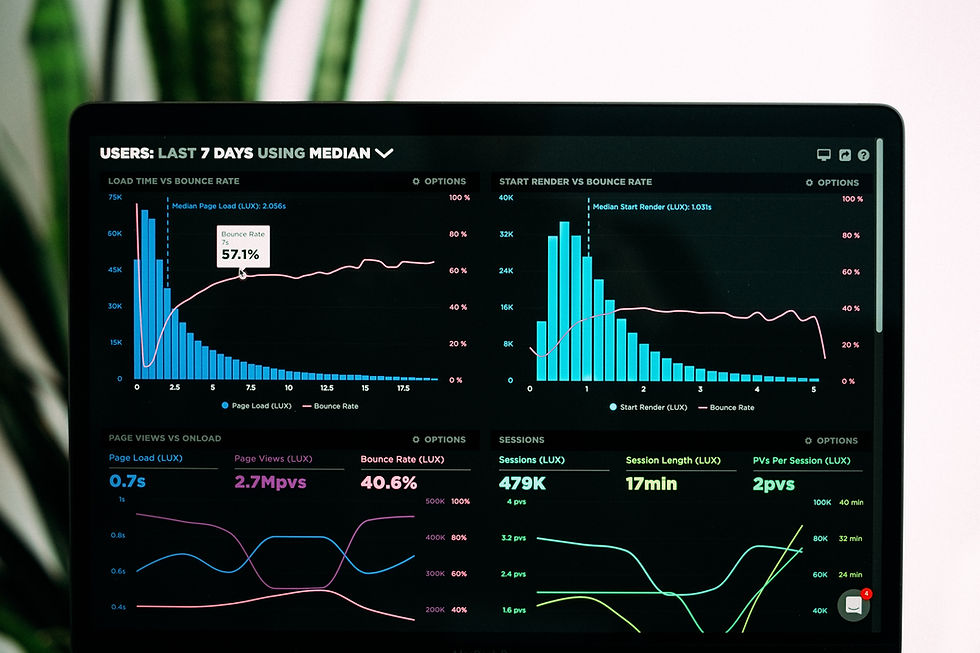
Websites generate valuable insights about customer behavior. This data helps businesses refine their marketing strategies. Analytics can reveal:
where visitors come from
which pages perform best
which services are most popular
how users move through your site
Using Websites to Store Customer Information
Websites can integrate with CRM systems to securely store customer data. Customer data helps businesses create personalized marketing campaigns that drive repeat business. This enables businesses to track:
customer inquiries
bookings
past purchases
email subscriptions
marketing preferences
SEO: How New Visitors Find Your Website
Search Engine Optimization ensures your website appears in search results. For example, someone searching "deep sea fishing Turks and Caicos" should ideally find your business near the top of Google. SEO includes keyword optimization, technical website structure, fast loading speeds, content creation, backlinks, and local search optimization. Combine SEO with paid advertising (Google Ads, Meta Ads) to generate both long-term and immediate visibility.
Using Paid Advertising to Boost Early Traffic
While SEO builds long-term visibility, paid advertising can generate immediate traffic. Combining SEO and paid ads creates a balanced digital strategy. Platforms include:
Google Ads
Meta Ads (Facebook & Instagram)
YouTube Ads
Paid campaigns can:
promote new websites
generate immediate leads
test different audiences
drive bookings quickly
Why Now Is the Time to Invest
Turks and Caicos continues to grow as a global destination. With increasing tourism, property investment, and international visitors, competition online is rising rapidly. Businesses that invest in strong digital infrastructure today will dominate search results and customer attention in the years ahead. Waiting often means losing market share to competitors who move first.
How Planet Reach Media Helps Businesses Grow
At Planet Reach Media, we help businesses build powerful digital ecosystems that generate measurable results. Every website we build is designed not just to look good — but to generate leads, drive revenue, and scale with your business. Our web design packages include:
Custom website design
SEO-ready development
Mobile optimization
CMS training
security implementation
performance optimization
We also provide:
branding strategy
content marketing
paid advertising campaigns
ongoing SEO management
Final Thoughts
Your website is no longer optional — it is the foundation of your digital presence.
For businesses in Turks and Caicos and beyond, a well-built website can:
generate leads
increase revenue
strengthen brand authority
improve customer experience
provide valuable marketing data
“Marketing used to be about the stuff you make, but now it’s about the stories you tell.”— Seth Godin
A website gives your business the platform to tell that story — and reach customers anywhere in the world. If you are considering building or upgrading your website, now is the time to invest. Planet Reach Media offers professional web design packages tailored for businesses ready to grow. The right website does more than represent your business — it drives it forward.
📞 Ready to grow online? Get a Free Website Quote



.png)


